
Stone Thicknesses Explained
Why thickness in stone makes a difference.
How thick is backlit stone?
How is light able to pass through stone? Stone is usually thought of as solid, heavy and opaque. For backlit applications, it comes down to the way the material is selected and supported.
At Luminous Stone we work with real natural stone in refined, slim profiles that allow light to interact with stone material. This is what creates an illuminated effect while still maintaining the strength and structure required for architectural applications.
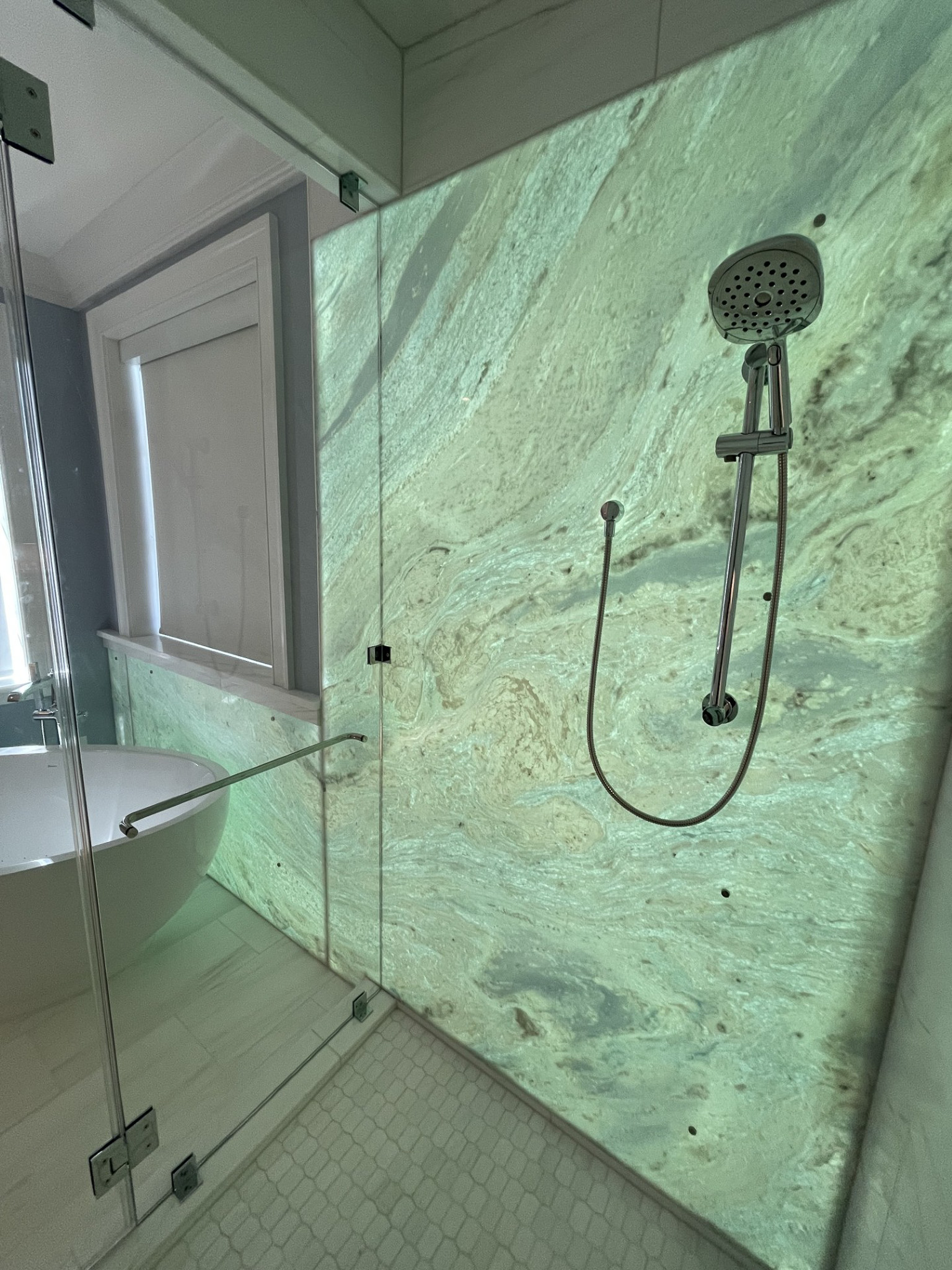
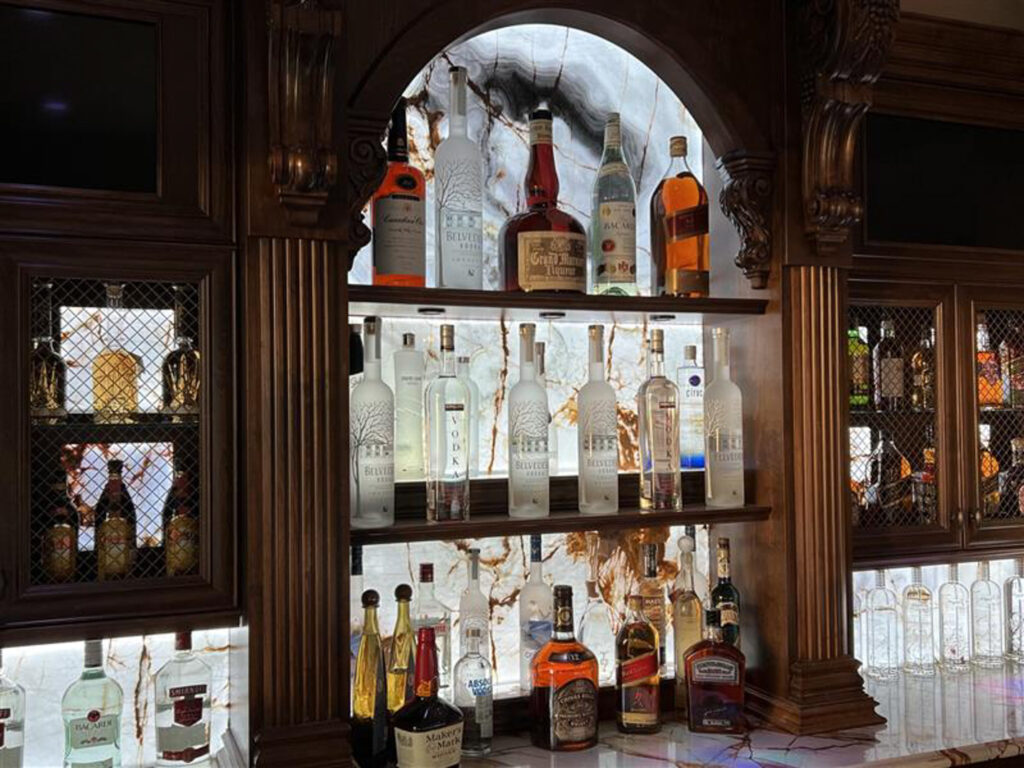
Stone Thickness Explained
Traditionally, stone slabs are often thicker and heavier which limits how much light can pass through them. For a backlit application, the stone is refined to a thinner profile. This is how light can interact with the material rather than being fully absorbed.
A thinner profile is especially important with translucent stones, the thickness of the stone affects:
- how much light can pass through
- how the veining and colour appear when illuminated
- how the material can be fabricated
- how the stone is supported
- where the material can be used.
This is why thickness isn’t just a measurement. It’s part of the entire design of the feature.
Why thickness is considered in fabrication.
Working with thinner stone isn’t just about its appearance, it also changes how it can be handled and manipulated. Compared to traditional stone, our fine stone is:
Easier to maneuver during fabrication
More adaptable for precise cutting
Lighter to transport and install
Better suited for applications where weight is a consideration
Opportunity for innovation and new experimentation
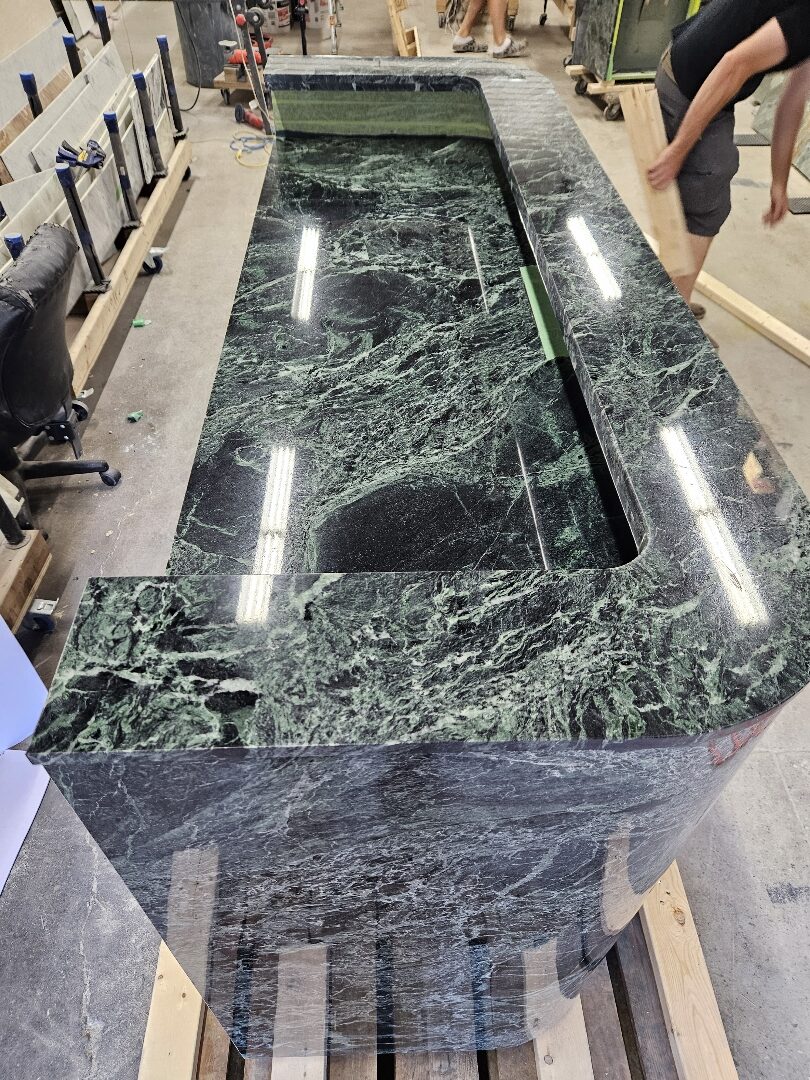
Durability and Slim Cut Stone.
When properly integrated with design thinner stone performs effectively within its intended use. The key is understanding how the material will be used and how its supported. This is how we at Luminous Stone help the overall system function.
Why does this matter for design? The thickness of the stone affects how the final installation will feel:
- Thinner material can allow far more light transmission
- Different thicknesses create different lighting affects
- Fine stone can be curved around surfaces and walls to create dimension.
- The scale of the projet influences the choice in material.
This is what we consider alongside material selection during the beginning phases of planning your backlit stone experience.
Stone Refined for Light
An important feature of our approach is that our backlit stone application uses real natural stone.
Our natural stone materials can range from very thin profiles such as 1mm, to thicker options like 12mm and 20mm, depending on the application and material system. These natural stone slabs are backed with a support structure that allows the stone to perform well while also maintaining a luxurious appearance.
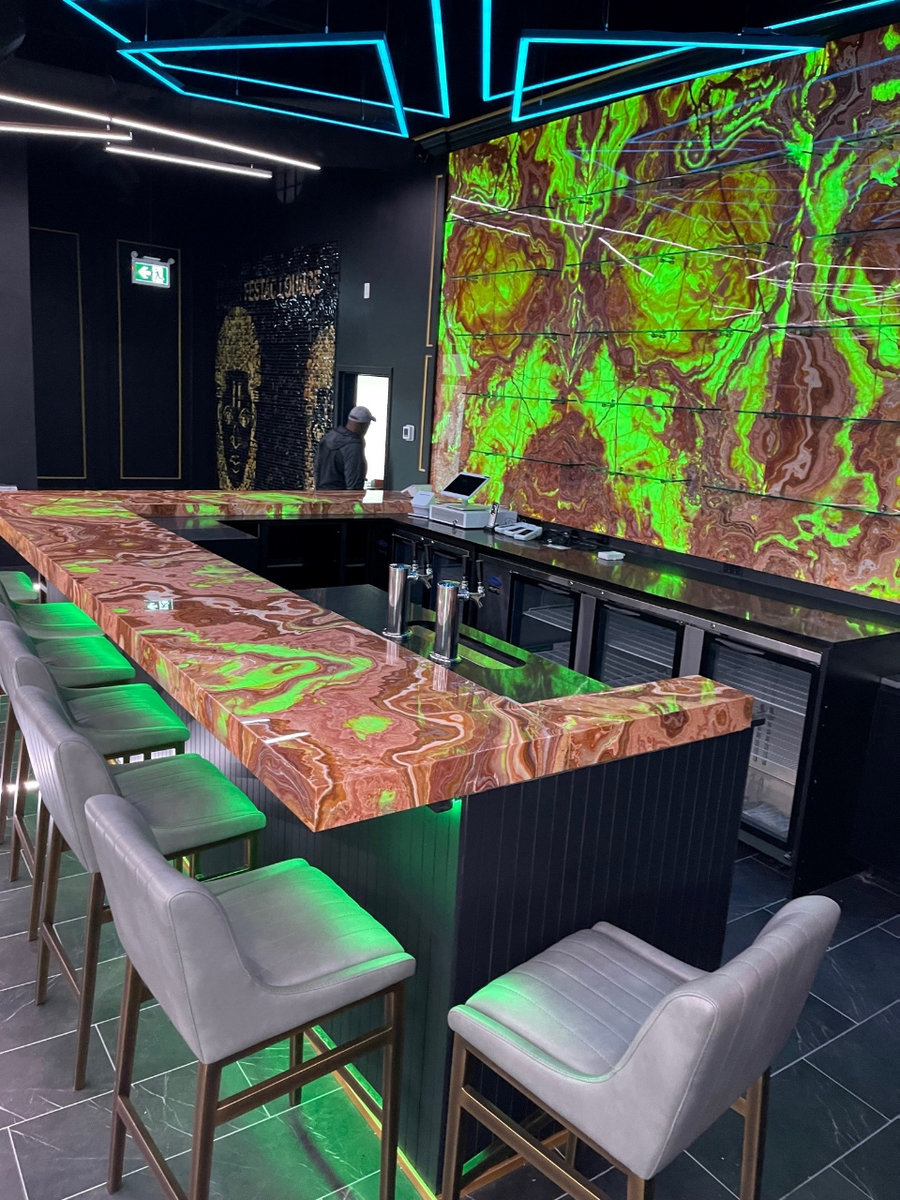
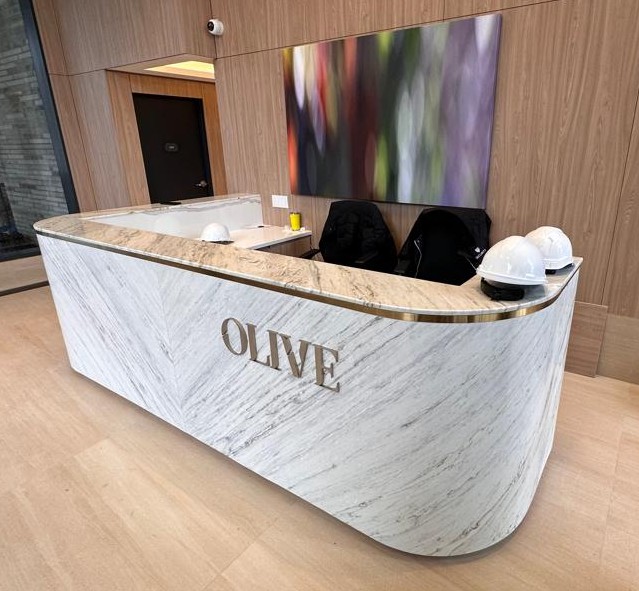
Curved Application
An interesting advantage of refined stone is what we can do during fabrication. Very fine natural stone like 1mm material can be used for a curved installation. This creates opportunity for stone to be wrapped around walls, surfaces, furniture and other features.
A thinner stone profile allows for a flexible design, while thicker backed options might be best suited for a rigid, structured project, thinner stone is a great choice for a feature with a different purpose.
For curved stone applications, we recommend setting up a consultation and visiting our showroom so we can discuss the material, scale and possibilities for your project.
Our Approach
Backlit stone requires a metholodical approach from the very start. The material needs to be chosen for its ability to showcase light, its natural veining, the pattern, thickness and its ability to work with its intended purpose.
At Luminous Stone we see how the material will integrate before, during and after its illumination. A stone that looks subtle in natural light might become extraordinarily intricate when its backlit. Veining can become more visible. Colour soften or intensify. This is why each installation is unique.
With this, each natural stone slab is different than the other. No two features are exactly the same.
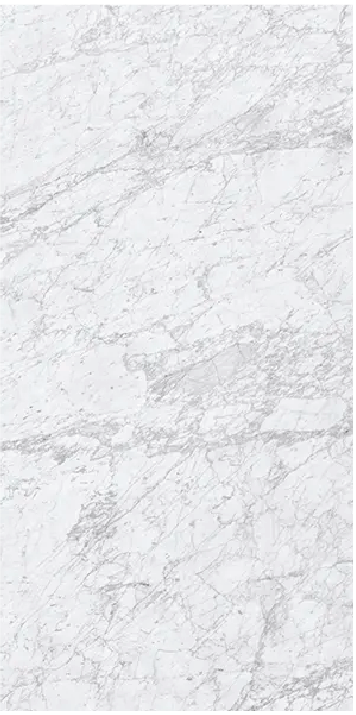
What matters when selecting a stone types?
Understanding the features of different stone materials is an important step in considering how it will appear installed. Elements like veining, movement, and book-matching play a major roll in the final result.