
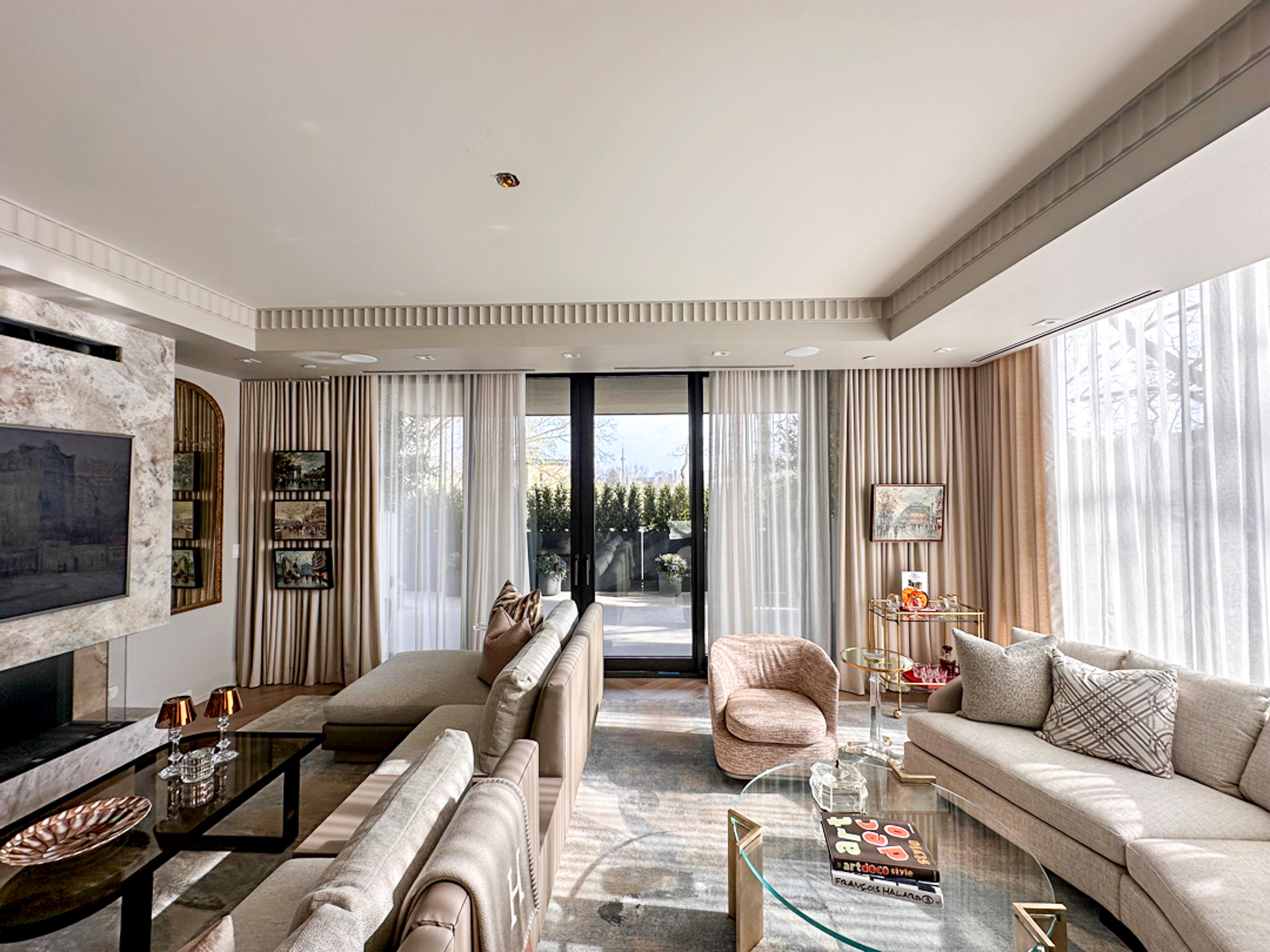
Exploring the elements of stone.
intentional choice for stone design
Stone selection for backlighting
Stone, on its own is a classic feature used across a wide variety of applications and is an elegant option for many clients. While we install these features as well only certain materials have the right properties to allow light to illuminate through them effectively.
What makes stone suitable for backlighting? The key factor is translucency. This is the ability for light to travel through the material rather than simply being absorbed or completely blocked. Some of the most commonly used materials include:
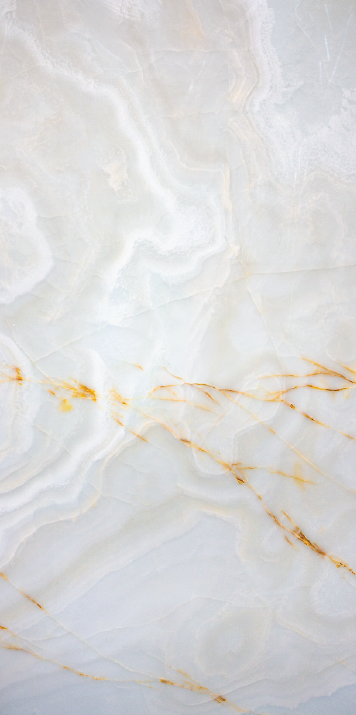
Natural Onyx
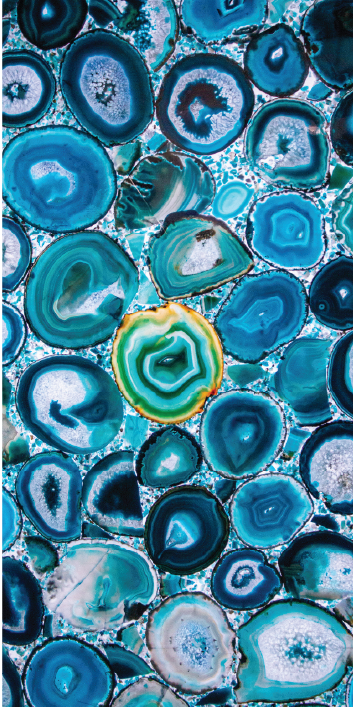
Agate
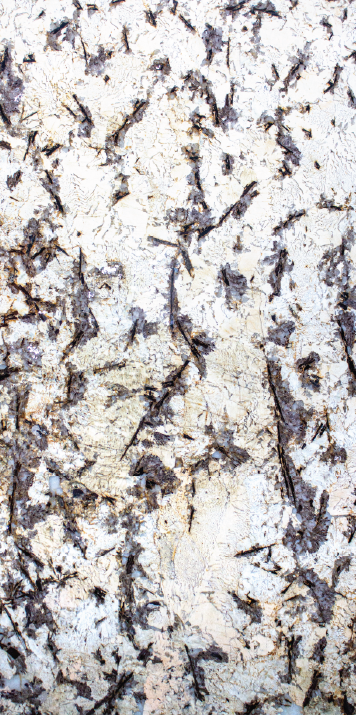
Quartzite
Why material selection matters
Backlighting isn’t just about putting light behind a surface, it depends heavily on how the stone will interact with the light. Each material responds differently:
Some create a soft, even glow throughout
Others highlight the bold veining or contrast
Some might only allow parts of the light to transmission
Because of this, selecting the right material is essential to achieving the result you are looking for. Even with the same stone types, translucency can vary significantly from cut to cut.
Our Approach
If you are considering backlit stone for your project, understanding which materials work — and how they behave once illuminated — is key. Each stone interacts with light differently, affecting the depth, tone, and overall presence of the feature.
We recommend exploring our showroom to experience how different materials respond to light in real applications. Seeing the variation in person allows for a more informed and confident selection.
Looking for the right materials?
Not all translucent stone behaves the same once its illuminated. Some create a soft glow while others highlight veining or gold fletching.
In our next article we break down the types of stone that work best if you choose backlighting and wat makes each unique.